

Protein plays an essential role in a balanced diet, but consuming it in excess doesn’t automatically lead to better health or stronger muscles. In fact, the effects of protein on the body can vary widely depending on how much you consume and where it comes from.
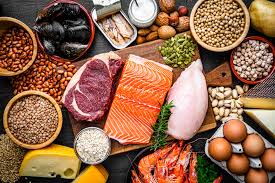
In today’s fitness-driven culture, protein is often hailed as the ultimate nutrient — critical for muscle growth, performance, and overall wellness. This widespread belief, sometimes referred to as “protein hype,” suggests that the more protein you eat, the healthier and fitter you’ll be.
But does more protein always equal better results? The answer is more complex than popular trends might suggest. Let’s explore what the research really says.
What Happens When You Eat Too Much Protein?
Protein is necessary for building and repairing tissues, supporting your immune system, and producing enzymes and hormones. But going beyond your body’s actual needs doesn’t necessarily give you extra advantages — and in some cases, it may even cause harm.
1. It Can Put Stress on Your Kidneys
Consistently eating too much protein — especially over 2 grams per kilogram of body weight daily — may overwork your kidneys. For someone who weighs 70 kg (154 pounds), that’s around 140 grams of protein per day.
Over time, this added strain can contribute to kidney issues, particularly in individuals with preexisting conditions like high blood pressure or diabetes.
High doses of protein supplements can also be problematic. A 2023 study found a link between regular overuse of protein powders and increased kidney stress, which may raise the long-term risk of chronic kidney disease.
2. There’s a Limit to How Much Muscle You Can Build
Research shows your body can only use about 0.4 grams of protein per kilogram of body weight per meal for muscle synthesis — roughly 28 grams per meal for someone who weighs 70 kg (154 pounds).
Consuming more than this at one time doesn’t necessarily build more muscle. The excess is often converted to energy or simply excreted. Dividing your daily protein across several meals helps your body use it more efficiently.
3. It Can Crowd Out Other Nutrients
Focusing heavily on protein can come at the expense of other vital nutrients. A diet overloaded with protein might lack fiber, vitamins, and minerals found in fruits, vegetables, whole grains, and healthy fats — all of which are essential for overall health.
4. It May Disrupt Gut Health
A diet rich in animal-based proteins may alter the delicate balance of your gut microbiome. This can interfere with digestion and trigger inflammation over time.
Some animal proteins, like dairy, may have beneficial effects, but excessive intake of red or processed meats has been linked to increased risk of gastrointestinal issues, including inflammation and potentially conditions like inflammatory bowel disease (IBD).
Switching to more plant-based protein sources — like legumes, tofu, and quinoa — can help support gut health while still meeting your protein needs.
How Much Protein Do You Really Need?
There’s no one-size-fits-all answer. Your ideal protein intake depends on several individual factors:
-
Activity level – Athletes and highly active individuals may require more protein for muscle recovery and performance.
-
Age – Older adults often need more protein to help maintain muscle mass and function.
-
Goals – People aiming to lose weight may benefit from a higher protein diet to promote satiety and muscle retention.
-
Body composition – Those with more muscle mass typically need more protein to maintain it.
-
Training intensity – Intense physical training increases the body’s need for protein repair and rebuilding.
For most people, hitting their protein targets through a well-balanced diet is more than enough to support health and fitness goals.
Smart Protein Practices: What to Keep in Mind
When assessing your protein intake, here are a few key things to consider:
-
Balance matters – Don’t just track protein grams. Make sure you’re also getting a full spectrum of nutrients from a variety of food groups.
-
Source counts – Choose high-quality proteins like fish, lean meats, eggs, dairy, legumes, nuts, and seeds. These provide other important nutrients in addition to protein.
-
Timing is key – Spreading your intake across meals throughout the day is more effective than eating large amounts all at once, especially for muscle recovery.
-
Individual differences – Your protein needs are unique. Factors like age, weight, activity level, and health conditions all influence how much protein your body requires.
Bottom Line: Quality Over Quantity
Protein is crucial for good health, but that doesn’t mean “the more, the better.” Overconsumption — especially from supplements or excessive meat — can lead to digestive issues, kidney strain, and nutrient imbalances.
Instead, focus on the right amount of high-quality protein, distributed evenly throughout the day, and balanced with other essential nutrients.
For the best results, talk to a registered dietitian or healthcare provider to determine the protein intake that fits your unique lifestyle, health status, and goals. Rather than asking, “Should I eat more protein?”, the smarter question is: “How much protein is right for me?”
Really informative article! It’s good to know that more protein isn’t always the answer and that balance is key.
I’ve always wondered how much protein is too much. Thanks for clearing up the science behind it!