
Protein is one of the key nutrients your body needs—just like carbohydrates and fats. It helps build and repair tissues, supports your immune system, and plays a role in many vital processes.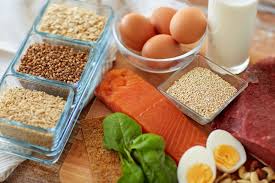
The exact amount of protein you should eat each day depends on your age, weight, activity level, and overall health. While health guidelines often suggest a moderate intake, many people benefit from eating more than the minimum.
According to the FDA, the average adult in the U.S. needs about 50 grams of protein per day, but that’s just a baseline. Your personal needs may be higher.
This article breaks down how much protein you might need depending on your lifestyle, whether you’re trying to lose weight, build muscle, or support your body through different life stages.
Why Protein Matters
Protein is made up of amino acids—some your body can make, and others (called essential amino acids) that must come from food.
It’s involved in building muscles, skin, bones, organs, and even hormones and enzymes.
Animal-based foods like meat, eggs, and dairy contain all essential amino acids. If you’re eating a plant-based diet, you can still meet your protein needs by combining a variety of foods or using supplements like vegan protein powders.
Protein and Weight Loss
Eating more protein can help you lose weight. It reduces hunger, boosts fullness, and slightly increases the number of calories your body burns.
A 2020 study review found that higher-protein diets can improve long-term weight loss and help prevent weight regain, making it easier to maintain a healthy weight.
Protein for Muscle Gain
If you want to build muscle, you need to take in more protein than your body breaks down.
People who lift weights or follow strength programs often increase their protein intake to support muscle repair and growth.
Research suggests that eating about 1.6 grams of protein per kilogram of body weight per day is effective for building muscle when paired with resistance training.
Protein Needs During Pregnancy
Pregnant people need more protein to support their baby’s development and changes in their own body.
According to the USDA, around 70 grams of protein per day is recommended during pregnancy, which usually equals about 10–35% of total daily calories.
Those who are breastfeeding also need more protein. Good sources include lean meats, eggs, dairy, beans, and fish that are low in mercury—like salmon and sardines. Avoid high-mercury fish like shark and swordfish.
Other Times You May Need More Protein
Your protein needs may be higher if:
-
You’re very physically active
-
You have a physically demanding job
-
You’re recovering from illness or surgery
-
You’re an older adult
Older adults should aim for 1.0–1.2 grams of protein per kilogram of body weight daily to help maintain muscle and prevent bone loss.
Is Too Much Protein Bad for You?
Some people worry that eating too much protein can harm your kidneys. However, there’s no strong evidence to support this in healthy individuals.
If you have kidney disease, talk to your doctor—your needs may be different depending on your condition and treatment.
For healthy people, a higher protein intake is generally safe and often beneficial.
High-Protein Foods to Include
You can get protein from many different sources, such as:
-
Chicken, turkey, lean beef
-
Fish and seafood
-
Eggs
-
Greek yogurt and milk
-
Tofu, tempeh, and other plant-based meat alternatives
-
Beans, lentils, and chickpeas
-
Quinoa
-
Nuts and seeds
You don’t have to track every gram. Just aim to include some protein in each meal.
Understanding Protein Content in Foods
It’s important to know that the weight of a food isn’t the same as the amount of protein it contains.
-
An 8-ounce (226 g) steak has around 61 grams of protein
-
A large egg (46 g) contains about 6 grams of protein
So, when food labels list “grams of protein,” they’re referring to the amount of actual protein, not the total weight of the food.
How Much Protein Is Right for You?
For someone with a moderate activity level, protein should make up 10–35% of your daily calories. On a 2,000-calorie diet, that’s about 50 to 175 grams of protein per day.
Many people benefit from eating more protein, especially if they’re active, aging, or trying to improve body composition. There’s little risk and lots of upside.
The Bottom Line
Protein is a vital part of a healthy diet. It helps build muscle, supports metabolism, strengthens bones, and keeps you feeling full.
While 50 grams a day is a general starting point, your needs depend on your activity level, age, and overall health.
By including a variety of protein-rich foods in your meals, you can easily meet your daily needs and support your long-term health.