

Along with staying active and avoiding smoking, following a nutritious diet is one of the best ways to protect your heart. The foods you eat can influence cholesterol, blood pressure, inflammation, and other key factors that affect your risk for heart disease.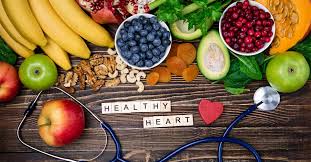
Diets rich in fiber, antioxidants, and healthy fats support heart function, while those high in added sugars and processed meats can raise the risk of cardiovascular problems.
While many eating plans claim to benefit heart health, the most effective ones are backed by solid research and can be sustained over time.
Here are the five best diets for optimal heart health:
1. The Mediterranean Diet
The Mediterranean diet is inspired by the traditional eating patterns of people from Greece and Southern Italy in the 1960s.
It emphasizes whole, minimally processed foods — such as fruits, vegetables, whole grains, legumes, nuts, seeds, fish, and extra virgin olive oil — while allowing moderate amounts of poultry, eggs, low fat dairy, and red wine.
Added sugars, refined carbohydrates, processed snacks, and red or processed meats are limited or avoided.
This eating pattern is known for its heart-protective benefits, largely due to its focus on plant-based foods and healthy fats. For instance, extra virgin olive oil provides monounsaturated fats and antioxidants that help reduce inflammation.
The Mediterranean lifestyle also encourages regular physical activity and limited sugar intake, both of which contribute to better heart health.
2. The DASH Diet
The Dietary Approaches to Stop Hypertension (DASH) diet was specifically designed to help prevent and manage high blood pressure — a major contributor to heart disease.
Instead of a strict food list, the DASH plan focuses on balanced portions from various food groups based on calorie needs. It promotes fruits, vegetables, whole grains, low fat dairy, and lean proteins while limiting red meat, refined grains, and foods high in sugar.
It also recommends limiting sodium to 2,300 mg per day (about 1 teaspoon), or 1,500 mg for those needing tighter blood pressure control.
Research shows that combining DASH principles with reduced sodium intake can significantly lower blood pressure, especially among those with hypertension. Its high fiber and low saturated fat content further support cardiovascular health.
3. Vegan and Vegetarian Diets
Vegan and vegetarian diets both exclude meat, including poultry and fish. While vegetarians may still consume dairy and eggs, vegans avoid all animal-derived foods, including honey and gelatin.
These diets emphasize plant-based foods such as fruits, vegetables, legumes, whole grains, soy products, nuts, seeds, and healthy oils.
Because they are rich in fiber, antioxidants, and anti-inflammatory compounds, vegan and vegetarian diets can help improve heart health and lower the risk of cardiovascular disease.
That said, the quality of the diet matters. A plant-based diet filled with refined grains, sugary snacks, and highly processed foods will not have the same heart benefits as one built on whole, nutrient-dense ingredients.
4. The Flexitarian Diet
Developed by dietitian Dawn Jackson Blatner, the Flexitarian Diet is mostly plant-based but allows moderate amounts of animal products such as meat, fish, and dairy.
The goal is to get most protein from plant foods while keeping flexibility for occasional animal-based meals.
This diet encourages eating whole, natural foods and limiting refined grains, added sugars, processed meats, and heavily processed items.
Although more flexible than vegan or vegetarian diets, research suggests that plant-focused eating patterns can lower the risk of heart disease. The Flexitarian Diet offers many of the same benefits with a more adaptable approach.
5. The TLC Diet
The Therapeutic Lifestyle Changes (TLC) diet, developed by the National Institutes of Health (NIH), is aimed at lowering cholesterol and reducing the risk of heart disease and stroke.
It combines healthy eating with lifestyle adjustments to manage cholesterol levels and maintain a healthy weight. Recommendations include:
-
Less than 7% of total calories from saturated fat
-
Under 200 mg of dietary cholesterol daily
-
Less than 2,300 mg of sodium per day
-
25–35% of total daily calories from fat
-
2 grams of plant stanols or sterols each day
-
10–25 grams of soluble fiber per day
-
Calorie intake appropriate for a healthy weight
The TLC diet emphasizes soluble fiber-rich foods like oats, beans, lentils, nuts, seeds, fruits, and vegetables, which help lower cholesterol.
It also promotes eating foods with natural plant stanols and sterols — compounds found in nuts, seeds, whole grains, fruits, and vegetables — that help reduce cholesterol absorption.
The plan encourages at least 30 minutes of moderate physical activity daily to complement dietary changes.
The Takeaway
Each of these five diets has been shown to enhance heart health.
While they differ in structure, they all share core principles: focus on whole, minimally processed foods and limit refined sugars, unhealthy fats, and processed items.
A balanced diet is just one part of heart care — staying active, managing stress, and avoiding smoking are equally important for lifelong cardiovascular wellness.