

Producing food for human consumption puts a considerable strain on the environment. The daily decisions you make about what you eat can significantly influence the sustainability of your overall diet.
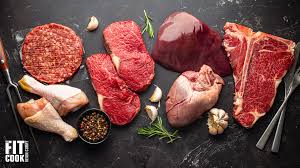
Although plant-based diets — such as vegetarian and vegan — are generally more eco-friendly, many people still want to include meat in their meals. The good news is, you don’t have to completely give up meat to reduce your environmental impact.
This guide explores how food production affects the planet and how you can enjoy both plant- and animal-based foods responsibly.
The Environmental Toll of Food Production
Food systems globally contribute to environmental degradation through multiple channels. Understanding these impacts can help you make more informed dietary choices.
Agricultural Land Use
One of the largest contributors to environmental stress is how we use land for farming.
About 50% of all habitable land on Earth is now dedicated to agriculture. Products like beef, lamb, and dairy are responsible for using a disproportionate share of this land.
Livestock take up 77% of global agricultural land (including pasture and land used for feed), yet provide only 18% of the world’s calories and 17% of protein.
Clearing forests to make way for industrial farming destroys natural habitats and disrupts ecosystems. However, advancements in farming technology over the past century have helped increase crop yields per acre, reducing the need to clear additional land.
You can contribute to preserving land by supporting local conservation efforts or land trusts.
Emissions from Food Production
The global food industry is responsible for roughly 25% of all greenhouse gas emissions.
These gases include carbon dioxide (CO₂), methane, nitrous oxide, and fluorinated gases — all of which are linked to climate change.
Here’s how food production emissions break down:
-
31% from livestock and fisheries
-
27% from crop production
-
24% from land use changes
-
18% from food supply chains
Because different foods have varying emission levels, what you choose to eat can greatly influence your personal carbon footprint.
Water Consumption
Water scarcity is a growing concern in many parts of the world, and agriculture uses about 70% of all freshwater resources.
Some foods require much more water to produce than others. Cheese, nuts, farm-raised fish, and dairy cows are among the most water-intensive.
Adopting more efficient agricultural techniques — such as rainwater harvesting, drip irrigation, and cultivating drought-resistant crops — can help address this issue.
Fertilizer Runoff
When fertilizers wash into nearby water sources, they can trigger nutrient overload and harm local ecosystems — a phenomenon known as eutrophication.
Organic farming is often seen as a solution, but while organic methods avoid synthetic chemicals, they are not completely free of environmental concerns.
Even so, organic produce tends to contain less pesticide residue than conventionally grown food.
As a consumer, you can support better farming practices by advocating for solutions like planting cover crops and trees to help reduce runoff.
Practical Steps for More Sustainable Eating
Want to eat more ethically while still including meat? Here’s how to do it:
Should You Prioritize Local Foods?
Eating locally is often promoted as a way to lower your environmental impact, but research shows that what you eat matters more than where it comes from.
Transportation makes up only a small fraction of a food item’s total emissions. For example, choosing chicken over beef has a much greater effect than selecting a locally produced steak.
That said, local food can still benefit the environment when it comes to perishable items — such as berries, green beans, asparagus, and pineapples — which are often flown in and thus have a much higher carbon footprint.
Supporting local producers can also encourage more sustainable farming and seasonal eating, while giving you more transparency about how your food is grown.
Limit Red Meat Intake
Animal products — especially meat, dairy, and eggs — account for about 83% of the emissions from our diets.
Beef and lamb are the most emissions-heavy meats due to the land, feed, and methane involved in their production. For perspective:
-
Beef generates about 60 kg of CO₂ equivalents per kg of meat
-
Poultry produces 6 kg
-
Fish contributes 5 kg
-
Eggs generate 4.5 kg
That translates to 132 lbs of CO₂ per pound of beef, compared to just 10–13 lbs for poultry and fish.
Even grass-fed and local red meats still carry higher emissions than other protein sources. Reducing red meat intake — rather than simply choosing more sustainable varieties — offers the biggest environmental benefit.
Add More Plant-Based Proteins
Shifting part of your protein intake to plant sources can help reduce your environmental footprint. Foods like tofu, beans, lentils, hemp seeds, quinoa, and nuts are much less emissions-intensive.
These options can provide comparable protein when consumed in the right portions. You don’t need to become vegan to make an impact — even blending plant and animal proteins in your meals helps.
For example, replace half the ground meat in a chili recipe with crumbled tofu or lentils. You’ll retain the savory meat flavor while cutting back on emissions.
Cut Back on Food Waste
Food waste contributes around 6% of all greenhouse gas emissions globally. This includes losses during production, as well as waste from retailers and households.
Ways to reduce food waste at home:
-
Buy frozen fruits and vegetables if you won’t use them quickly
-
Choose vacuum-sealed frozen fish for longer shelf life
-
Use entire vegetables, including stems and leaves
-
Purchase “imperfect” produce when available
-
Shop only for what you’ll eat in the near future
-
Check expiration dates before buying perishables
-
Plan meals ahead of time
-
Freeze foods you won’t consume soon
-
Keep your fridge and pantry organized
-
Make stock from bones and veggie scraps
-
Get creative with leftovers and odds and ends
Beyond being eco-friendly, minimizing waste can also lead to significant grocery savings.
Final Thoughts
Food production has a wide-ranging impact on the environment, from land use and emissions to water consumption and chemical runoff.
Although we can’t eliminate these effects entirely, adopting more ethical food habits can make a real difference.
Key strategies include:
-
Reducing your red meat intake
-
Incorporating more plant-based proteins
-
Limiting food waste
Making intentional, informed food choices can help promote a more sustainable future — all while maintaining a balanced, omnivorous diet.