

Fenugreek seeds, also known as methi, are commonly used as a natural remedy for thinning hair, dandruff, and scalp irritation. Many beauty enthusiasts claim these tiny seeds are a hidden secret to thick, glossy hair.
In this article, we’ll explore the potential benefits of fenugreek seeds for hair and scalp health, and suggest ways to incorporate them into your hair care routine.
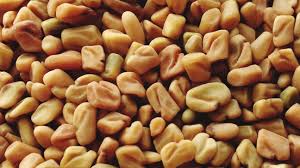
What is Fenugreek?
Fenugreek is a small herb native to Western Asia, Southern Europe, and the Mediterranean region. Both the leaves and seeds of the plant are used in culinary and medicinal practices.
In ancient Chinese and Ayurvedic medicine, fenugreek has been used for various purposes, including:
-
Inducing labor
-
Enhancing digestion
-
Smoothing skin irritation
-
Promoting overall health
Some studies from 2011 also suggest that fenugreek may have positive effects on blood sugar, blood pressure, and waist circumference. Its distinct aroma and slightly bitter flavor make it a popular ingredient in Indian, Middle Eastern, and North African cuisines, where it’s used in curries, stews, spice rubs, and teas.
Can Fenugreek Encourage Hair Growth?
Fenugreek seeds are packed with essential nutrients, particularly iron and protein, which are critical for healthy hair growth. They also contain flavonoids and saponins — plant compounds believed to support hair growth through their anti-inflammatory and antifungal properties.
While research on fenugreek’s impact on hair growth is limited, a small study from 2006 offers some promising results. The study followed 53 participants and found that 80% of those who took a 300-mg daily dose of fenugreek extract for six months experienced improvements in hair volume and thickness. However, more extensive research is needed to better understand how fenugreek seeds can help prevent or treat hair loss.
Supporting a Healthy Scalp with Fenugreek
Fenugreek has long been used to treat scalp conditions like dandruff, which can sometimes lead to hair thinning. Dandruff can be caused by various factors such as excess oil production, fungal growth, inflammation, and dryness.
Though it’s unclear whether fenugreek seeds can effectively address all causes of dandruff, studies in test tubes and animals suggest they have anti-inflammatory, antifungal, moisturizing, and wound-healing properties.
One six-week study involving 11 people found that a cream containing fenugreek extract significantly improved skin moisture and reduced irritation when applied to the skin, though it wasn’t tested on the scalp. While this suggests fenugreek may help maintain a healthy scalp, more research is needed to confirm its effectiveness for dandruff and other scalp conditions.
Other Factors That Affect Hair Growth
While fenugreek may be helpful, it’s essential to consider other factors that could contribute to hair loss, such as poor nutrition, stress, hormonal imbalances, and genetics.
Nutritional Considerations
A well-balanced diet plays a key role in hair health. Deficiencies in nutrients like protein, healthy fats, zinc, and iron can contribute to hair loss. To support healthy hair growth, you can include the following foods in your diet:
-
Protein: Meat, poultry, fish, dairy, legumes, nuts, seeds
-
Healthy fats: Nuts, seeds, fish, plant oils
-
Iron: Meat, spinach, seeds, legumes, tofu, dark chocolate
-
Zinc: Meat, shellfish, nuts, legumes, cheese
While it’s best to get these nutrients from food, some individuals may need supplements. However, over-supplementation can potentially worsen hair loss, so it’s wise to consult a healthcare provider before adding supplements to your diet.
Stress and Lifestyle
Stress, whether physical or emotional, can have a significant impact on hair loss. High levels of cortisol (a stress hormone) can weaken hair follicles, leading to thinning hair. Additionally, oxidative stress from free radicals can contribute to hair loss and graying.
To reduce stress and support hair growth, consider incorporating antioxidant-rich foods into your diet, and explore ways to manage stress more effectively. Practices like meditation, yoga, and deep breathing can help lower stress levels and improve overall well-being.
Genetics
Some forms of hair thinning are hereditary, such as androgenetic alopecia, which is a genetic condition causing male and female pattern baldness. Unfortunately, there is no evidence to suggest that fenugreek seeds can influence this type of hair loss.
How to Use Fenugreek Seeds for Your Hair
While the research on fenugreek’s effectiveness for hair growth remains limited, many people use fenugreek seeds both orally and topically to promote hair and scalp health.
Oral Supplements
Fenugreek seed supplements are available in powder or concentrated liquid extract forms. Although there’s no universally agreed-upon dosage, some studies suggest a daily intake of up to 1,200 mg of powder or 300 mg of extract.
Although fenugreek is generally considered safe in small amounts (such as in food), consult your doctor before taking fenugreek supplements, especially if you are pregnant, breastfeeding, or have allergies to legumes like peanuts and chickpeas.
Topical Application
To use fenugreek seeds topically, soak a few tablespoons of seeds in water for several hours or overnight to create a gel-like consistency. Grind the soaked seeds into a paste and apply it directly to your hair and scalp. For added benefits, you can mix the paste with coconut oil, yogurt, honey, or milk to create a hair mask.
Leave the mask on for at least 10 minutes, then rinse it off with warm water and follow up with a gentle shampoo.
Conclusion
Fenugreek seeds are widely used as a natural treatment for hair loss and dandruff. While there is limited scientific evidence to confirm their effectiveness, some studies suggest that they may promote hair growth and improve scalp health.
Before adding fenugreek seeds or any supplements to your routine, it’s always best to consult a healthcare professional to ensure they’re safe and appropriate for your specific needs.