

Incorporating a wide range of wholesome foods — such as fruits, vegetables, nuts, seeds, and lean proteins — can promote better health overall.
Many healthy foods are also flavorful. Filling your plate with a mix of colorful fruits, vegetables, high-quality protein, and other natural ingredients not only supports your body but also makes meals vibrant and enjoyable.
Below is a list of 50 delicious and healthful foods to consider adding to your daily menu.
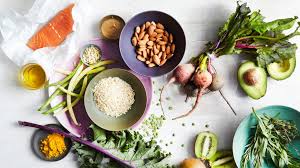
What Qualifies a Food as Healthy?
Generally, foods considered healthy are whole, minimally processed items packed with vital nutrients. These foods are often low in saturated fats and sodium and free from artificial sweeteners or additives. They typically contain:
-
Macronutrients like protein, which help with muscle maintenance and promote satiety
-
Essential vitamins and minerals needed for body function
-
Antioxidants and plant compounds (phytonutrients) that strengthen the immune system and protect cells from damage
-
Anti-inflammatory fats such as omega-3 fatty acids
These nutrients contribute to overall wellness and may help prevent chronic illnesses.
1–6: Fruits and Berries
Fruits and berries are popular for good reason. They’re naturally sweet, full of nutrients, and convenient to eat with little preparation.
-
Apples
Rich in fiber, vitamin C, and antioxidants, apples are satisfying and make a perfect snack between meals. -
Avocados
Unlike most fruits, avocados are loaded with beneficial fats. They’re creamy, high in potassium, fiber, and vitamin C — an excellent alternative to mayonnaise on toast or in salads. -
Bananas
Packed with potassium, fiber, and vitamin B6, bananas are nutritious and easy to carry on the go. -
Blueberries
Not only are they tasty, but blueberries are also loaded with antioxidants. -
Oranges
A top source of vitamin C, oranges also offer fiber and antioxidant compounds. -
Strawberries
Low in calories and carbohydrates, strawberries are rich in vitamin C, fiber, and manganese — perfect for a guilt-free dessert.
Other nutritious fruits include: grapes, grapefruit, mangoes, kiwi, lemons, pineapples, peaches, plums, pears, melons, cherries, raspberries, and olives.
7: Eggs
Eggs are nutrient-dense and once mistakenly thought to raise cholesterol. They’re now appreciated as an excellent source of protein with several health benefits.
8–10: Meats
Moderate consumption of lean, minimally processed meats can be part of a healthy eating pattern.
-
Lean Beef
A good source of protein and iron that your body can easily absorb. -
Chicken Breast
Low in fat and calories, chicken breast is high in protein and contains B vitamins and potassium. -
Lamb or Mutton
Often grass-fed, lamb contains more omega-3s compared to other red meats.
11–16: Nuts and Seeds
High in unsaturated fats and nutrients, nuts and seeds may reduce the risk of heart disease and certain cancers. They’re also convenient and versatile additions to any meal.
-
Almonds
Loaded with vitamin E, magnesium, fiber, and antioxidants. Studies show they may support weight management, gut health, and brain function. -
Chia Seeds
Small but powerful, chia seeds are rich in fiber, calcium, and magnesium. -
Coconuts
Offer fiber and medium-chain triglycerides (MCTs), a type of fat with potential health benefits. -
Macadamia Nuts
Delicious and rich in heart-healthy monounsaturated fats with less omega-6 than most other nuts. -
Walnuts
Packed with fiber, vitamins, and minerals. Great tossed into salads with feta cheese. -
Brazil Nuts
Buttery and nutrient-dense, Brazil nuts are a great selenium source that supports thyroid health.
17–26: Vegetables
Vegetables are among the most nutrient-rich foods you can eat. Their diverse colors reflect a variety of essential nutrients.
-
Asparagus
Low in calories and carbs, yet high in vitamin K. -
Bell Peppers
Crunchy and sweet, these peppers are full of vitamin C and antioxidants. -
Broccoli
A cruciferous veggie high in fiber, vitamin C, and K — surprisingly high in protein for a vegetable. -
Carrots
Crunchy, sweet, and loaded with fiber and vitamin K. Rich in carotenoids, which benefit eye health. -
Cauliflower
Extremely adaptable — great roasted, steamed, or raw. -
Cucumbers
Refreshing, low-calorie, and mostly water. They also offer vitamin K. -
Garlic
A flavorful addition with allicin, a compound with antimicrobial and antioxidant properties. -
Kale
Rich in vitamins C and K and adds a crisp texture to many dishes. Try kale chips as a healthy snack. -
Onions
Flavorful and nutrient-dense, onions are thought to have several medicinal properties. -
Tomatoes
Technically a fruit, but used as a vegetable. Full of vitamin C and potassium.
Other nutrient-packed veggies include: eggplant, radishes, Brussels sprouts, Swiss chard, zucchini, mushrooms, cabbage, celery, lettuce, squash, and leeks.
27–32: Fish and Seafood
Fish and shellfish are packed with nutrients like iodine and omega-3 fatty acids, which are essential for heart and brain health.
-
Salmon
Oily and nutrient-rich, with protein and omega-3s — plus vitamin D. -
Sardines
Small but mighty in calcium, protein, and vitamin D. -
Shellfish
Nutritious options like oysters, clams, and mussels offer protein and micronutrients. Always buy fresh and clean sources. -
Shrimp
High in protein and low in calories — a great source of zinc. -
Trout
Another omega-3-rich fish similar in taste and nutrition to salmon. -
Tuna
Low in fat and calories, high in protein. Choose low-mercury varieties.
33–35: Whole Grains
Whole grains provide energy, fiber, and important vitamins and minerals — great for long-lasting fuel.
-
Brown Rice
More nutritious than white rice, with fiber, magnesium, and vitamin B1. -
Oats
Contain beta-glucans, which lower cholesterol and support gut health. -
Quinoa
A protein-rich grain that also offers fiber and magnesium — a favorite plant-based protein.
36–37: Whole Grain Breads
Choose breads with whole ingredients and minimal sugar for better fiber content and overall nutrition.
-
Ezekiel Bread
Made from sprouted grains and legumes — organic and fiber-rich. -
Homemade Gluten-Free or Low-Carb Breads
Making your own lets you control ingredients. Many healthy recipes exist for different dietary needs.
38–41: Legumes
Legumes are protein-rich and plant-based, with lots of fiber and minerals.
-
Green Beans
Also known as string beans, they work well as a side dish or in salads. -
Kidney Beans
Nutritious but must be cooked properly, as raw beans can be toxic. -
Lentils
A fiber-rich legume high in plant protein — great in soups and salads. -
Peanuts
Technically legumes, not nuts, but high in nutrients and antioxidants. Peanut butter is delicious, though calorie-dense.
42–44: Dairy Products
Dairy offers calcium, protein, and other key nutrients — provided you tolerate lactose.
-
Cheese
A protein-dense food that adds flavor to meals. Choose less processed types. -
Milk
Dairy milk is a staple for calcium, protein, and vitamins. Some studies suggest it may lower heart disease risk. -
Yogurt
Contains probiotics that support gut health — choose unsweetened varieties with live cultures.
45–46: Healthy Oils
Use oils with unsaturated fats in moderation to support heart health.
-
Extra Virgin Olive Oil
Loaded with monounsaturated fats and antioxidants — excellent for cooking or salad dressings. -
Coconut Oil
Contains MCTs, but may raise LDL cholesterol. Best used sparingly.
47–48: Root Vegetables (Tubers)
These underground storage roots are fiber-rich and filling.
-
Potatoes
Offer potassium, vitamin C, and fiber (especially with the skin). More filling than pasta or rice. -
Sweet Potatoes
Rich in beta-carotene and vitamin A — great baked or mashed.
49. Apple Cider Vinegar
May help stabilize blood sugar after meals. Great in dressings or as a flavor enhancer.
50. Dark Chocolate
High in antioxidants called flavonoids. May support heart health — best enjoyed in moderation.
Common Questions
What are the top 20 most nutritious foods?
Based on a nutrient-density scoring system that looked at ingredients, nutrients, and processing, the most beneficial food groups include:
-
Legumes
-
Vegetables
-
Fruits
-
Seafood
I really appreciate this comprehensive list! It’s great to see a wide variety of nutrient-dense foods highlighted, especially ones like leafy greens and nuts that sometimes get overlooked. Definitely motivated me to add more of these to my diet.
While the list is extensive, I think it overemphasizes some foods that aren’t accessible or affordable for everyone. Nutrition should also consider cultural preferences and local availability, not just what looks good on paper
This article does a fantastic job breaking down the benefits of each food. It’s a helpful guide for anyone looking to improve their diet with whole, natural ingredients instead of processed options.